Loading...
Serving Pittsburg, CA and surrounding areas. (925) 318-8559
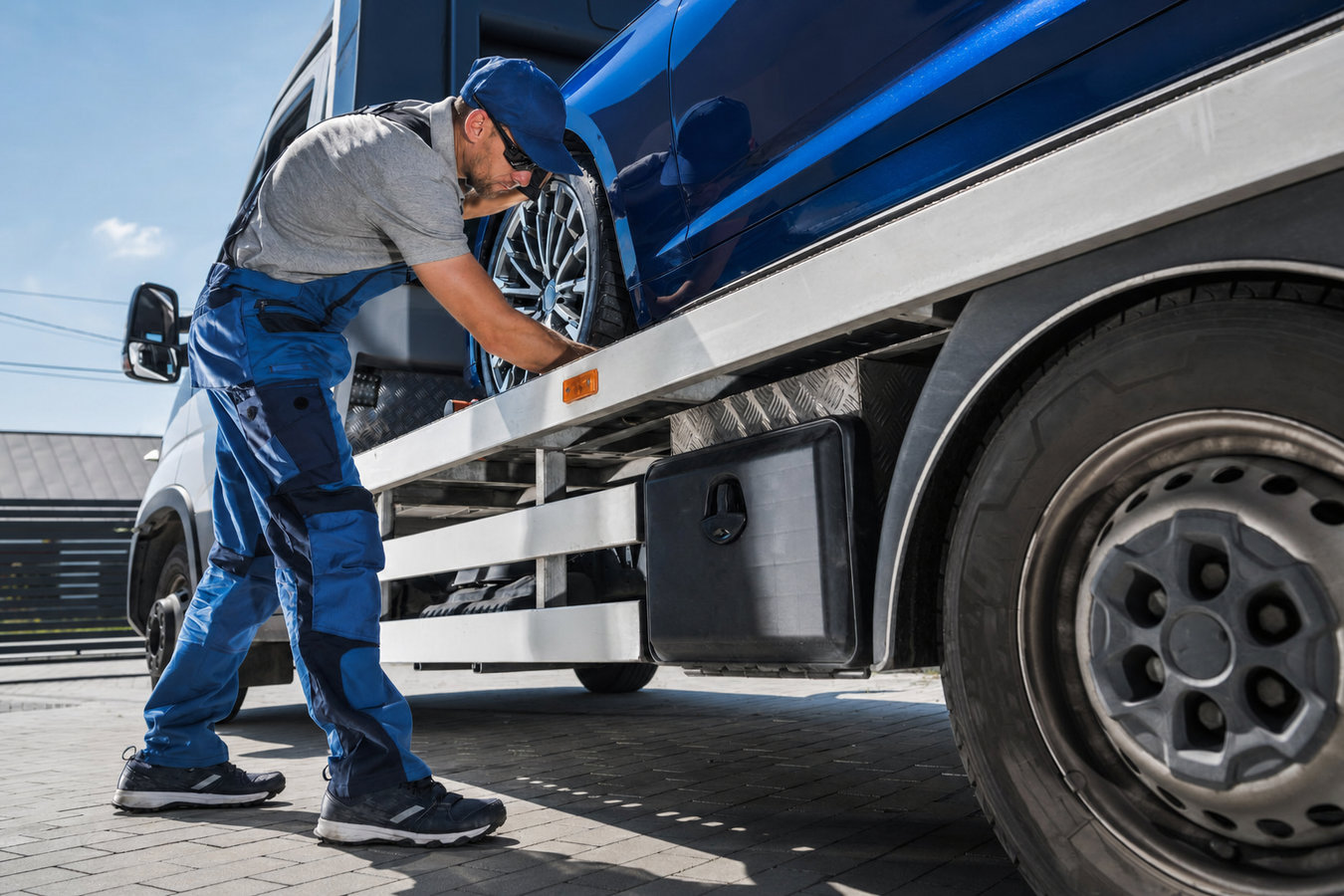
Stuck in a ditch, mud, or soft shoulder along Highway 4 or the Delta roads? We pull your vehicle free and get you moving again - no tow required.
Winch out service in Pittsburg uses a cable or strap attached to a truck-mounted winch to pull your vehicle back to solid ground, most jobs are completed in 15 to 45 minutes once the truck is on scene. If your car or truck can drive once it is free, a winch-out is often all you need - no flatbed, no shop visit.
A lot of winch-out calls in Pittsburg happen along Highway 4 shoulders, construction staging areas, and the low-lying levee roads near the Delta. Soft soil, winter mud, and drainage ditches along these corridors catch drivers off guard. If your wheels are spinning without moving the vehicle forward, stop - continued wheel spin digs you in deeper.
If your vehicle also needs transport after the recovery, roadside assistance covers the next step. Call us and describe your situation - we will tell you exactly which service fits before anyone rolls.
Your tires are spinning but the vehicle is not moving forward or backward. This means the tires have lost traction on soft ground, mud, or a ditch edge. Continued spinning digs the vehicle in deeper and can burn out your transmission on an automatic.
One or more wheels have dropped off the road edge onto a soft shoulder, into a drainage ditch, or onto a levee road margin. Even a partial drop can angle the vehicle so that driving out is impossible without pulling assistance. The longer you wait, the more the weight settles.
Bay Area wet-season rain turns construction lots, unpaved shoulders, and Delta access roads into mud traps fast. If the mud is above your wheel wells or the vehicle is not responding to reverse, a winch-out is the right call. Rocking the vehicle on your own usually makes things worse.
A stuck vehicle partially in a travel lane on Highway 4 is a safety problem for you and every driver passing by. Turn on your hazard lights and call immediately - do not try to push or rock the car free near moving traffic. Get yourself and any passengers well away from the roadway while you wait.
We handle recovery calls across the full range of stuck-vehicle situations in the Pittsburg area. Standard roadside pulls - a car that slid off a Highway 4 on-ramp, a truck with a wheel in a drainage ditch - are the most common and typically the fastest to resolve. We also handle more complex recoveries on Delta levee roads and industrial site access paths, where soft ground and tight access require longer rigging and careful positioning of the recovery truck. If the vehicle needs transport after recovery, our fleet towing team can take it to a shop or yard.
For situations where a vehicle is stuck but also has a flat tire, a dead battery, or needs a quick fuel delivery, roadside assistance can handle both the recovery and the on-scene service in one stop. Call and describe what is happening - we will match the right service to your situation.
Best for drivers stuck on paved-road shoulders, drainage ditches, or soft ground at the road edge.
Suited for vehicles stuck on unpaved levee margins or saturated ground near the Sacramento-San Joaquin Delta waterfront.
For work vehicles stuck on unpaved or poorly graded access roads at Pittsburg waterfront industrial zones.
Handles vehicles buried in deep mud on construction sites, dirt lots, and rural access roads after Bay Area rainstorms.
Pittsburg sits where the Sacramento-San Joaquin Delta meets the Highway 4 commuter corridor, which creates some specific stuck-vehicle risks. The levee roads and low-lying access paths along the waterfront have soft, saturated margins that can give way fast - a tire that drops off a levee edge can pull the whole vehicle before the driver can react. The industrial zones along the waterfront add another layer: heavy work vehicles on ungraded access roads get stuck regularly, and the tight access often means a standard recovery truck will not fit. We know these roads and bring the right equipment for the terrain.
Winter rain is the other big factor. The Bay Area wet season - roughly November through March - turns unpaved ground across Pittsburg into mud that grabs tires and holds them. Winch-out volume rises noticeably after the first heavy rains. Drivers in Antioch, CA and Bay Point, CA face similar conditions along the shared Highway 4 corridor and Delta margins. We cover these areas and respond the same way we do in Pittsburg proper.
The dispatcher asks for your exact location - the nearest highway marker, cross street, or GPS pin - along with your vehicle type and what it is stuck in. If you are near moving traffic on Highway 4, say so immediately so your call is prioritized.
The operator walks around your vehicle before touching anything, checking the terrain, the angle, and what the undercarriage is resting on. This walk-around is the most important part of a safe, damage-free recovery. You will be told upfront if the situation is more complex and what that means for time or cost.
The operator positions the recovery truck on firm ground, attaches the winch line to a proper frame hook or tow loop on your vehicle, and asks you to stand well clear of the cable. The pull is slow and steady - rushing it or using the wrong anchor point are the two main causes of recovery-related damage.
Once your vehicle is back on solid ground, the operator does a quick walk-around with you to check for any new damage and confirm it is safe to drive. Payment is collected at the scene - most operators accept major credit cards and cash. The final amount matches the quote given before work began.
No voicemail, no callback queue - we give you a real arrival time before you hang up.
(925) 318-8559Our operators find the correct recovery point on your vehicle before attaching anything and control the winch slowly. That discipline is what separates a clean recovery from one that bends a bumper or cracks a frame rail.
The soft, saturated ground along the Pittsburg waterfront and Sacramento-San Joaquin Delta margins is not where every towing company wants to work. We know these roads, understand the soft-shoulder risks, and bring the right rigging to keep the recovery truck on firm ground. The{' '}Towing and Recovery Association of America sets the professional standards our operators are trained to meet.
California allows local governments to cap towing and recovery rates, and we operate within those limits. You get a verbal quote before the work begins, and the final bill matches it. No surprise charges after a stressful recovery.
Winch-out demand spikes after the first heavy rains of the Bay Area wet season. We are ready for it - with the equipment and staffing to handle mud calls and Highway 4 shoulder incidents at 2 a.m. just as reliably as at noon.
These are not just claims - they reflect how we work on every call, from a straightforward Highway 4 shoulder pull to a complex Delta levee recovery. The Towing and Recovery Association of America represents professional standards we hold ourselves to, and California Highway Patrol protocols govern how we manage scene safety on active roadways.
Coordinated towing for businesses with multiple vehicles operating across Contra Costa County and the East Bay.
Learn MoreOn-scene help for flat tires, dead batteries, lockouts, and fuel delivery - often paired with a winch-out in one visit.
Learn MoreOur trucks cover Highway 4, the Delta roads, and all of Pittsburg around the clock - call now and a dispatcher picks up immediately, not a voicemail.